
一、 The Kiln Fires Along the Mo Xi River
The Xiba Kiln Site is located in Xiba Town, Wutongqiao District, Leshan City, Sichuan Province. It stretches for approximately 5 kilometers along the right bank of the Mo River and covers an area of 400,000 square meters. The Mo River is a first-order tributary of the Min River; prior to the founding of the People’s Republic of China, it was navigable year-round by wooden boats of up to 20 tons, providing a natural waterway for the transportation and sale of ceramics.
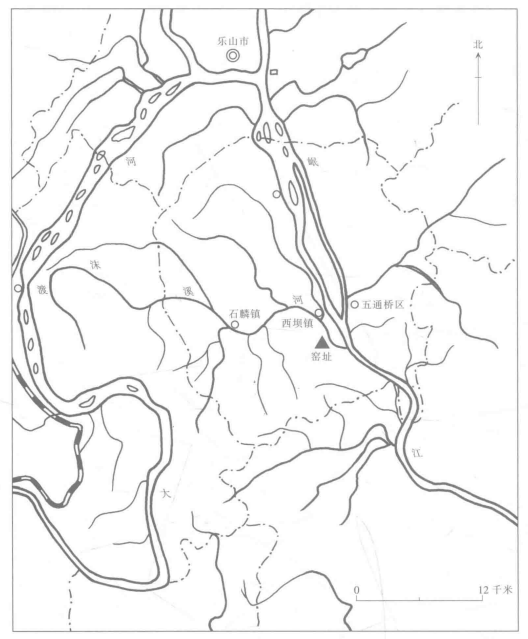
Schematic Diagram of the Kiln Site
The Wutongqiao District, where the kiln site is located, is rich in natural resources: the Fenglai mining area produces high-quality, low-sulfur, low-phosphorus coal that is of excellent quality and high calorific value, with shallow coal seams that are easy to mine; moreover, the coal seams of the Xujiahe Formation in Leshan are intermixed with dark gray to black kaolin clay, which is an excellent raw material for porcelain production. The *Chronicles of Jianwei County*, compiled in the 11th year of the Qianlong reign (1746) and citing the *Essentials of Geography*, records: “In the Xiyong San Mountains, the soil is fine and white, and the local residents rely on it entirely for their pottery-making.”— —It was by no means a coincidence that porcelain artisans chose this site a thousand years ago. In 2008, as the Leyi Expressway construction was set to cut through the kiln site, the Sichuan Provincial Institute of Cultural Relics and Archaeology, in collaboration with cultural heritage protection units from Leshan City and Wutongqiao District, conducted an emergency excavation. The excavation uncovered a total of six kilns (Y1–Y6), all of which were semi-inverted-flame dome kilns. Among them, Y1 measures 12.8 meters in length, 8 meters in width, and 3.92 meters in height; Y5 measures 9.4 meters in length, 6.8 meters in width, and 5.92 meters in height. The archaeological report notes that, in terms of size, Y1, Y2, and Y5 rank among the largest dome kilns from the Song and Yuan dynasties, making them extremely rare.
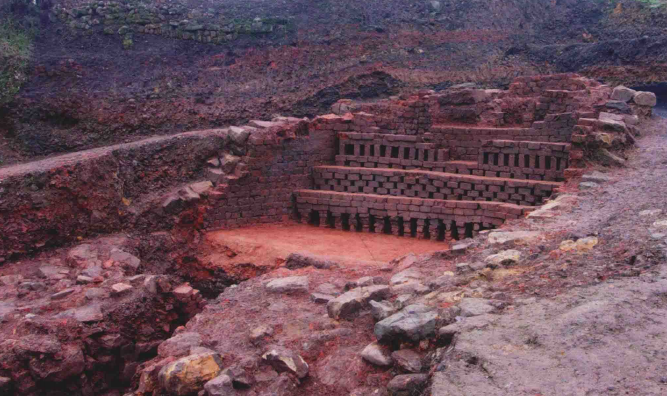
Y1侧视图
Of particular note is the flame extraction and smoke exhaust system at the rear of kiln chambers Y1 and Y5: three rows of staggered fire-retardant walls are installed in front of the chimney, occupying approximately one-third of the kiln floor area. These walls and the front wall of the chimney feature multiple rows of densely arranged, staggered flame extraction ports, some of which contain fragments of kiln shelves to regulate suction. The report concludes that this represents an advanced flame control technique—by drawing the flame through multiple channels and prolonging its residence time within the kiln, it ensures uniform heat distribution throughout the vast vertical space of the kiln chamber, thereby effectively improving product quality and thermal efficiency.
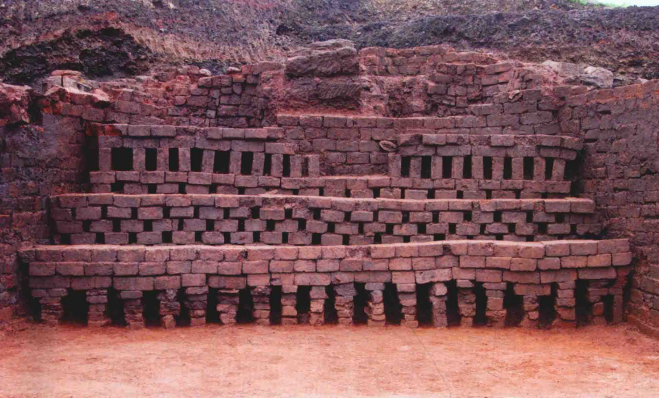
Y1-Class Firewall
二、The rustic, unpretentious charm of folk pottery
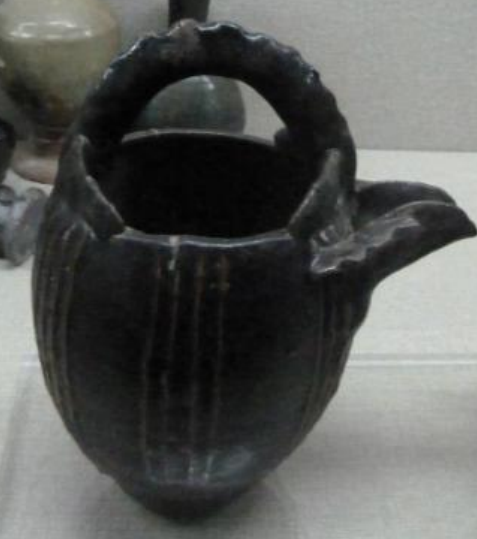
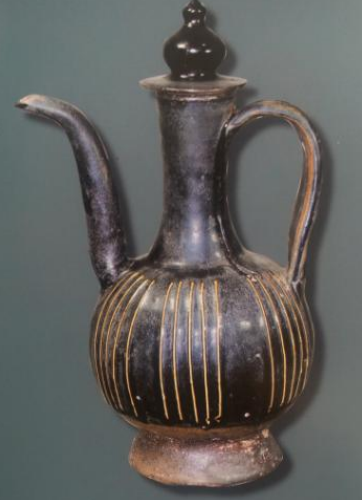
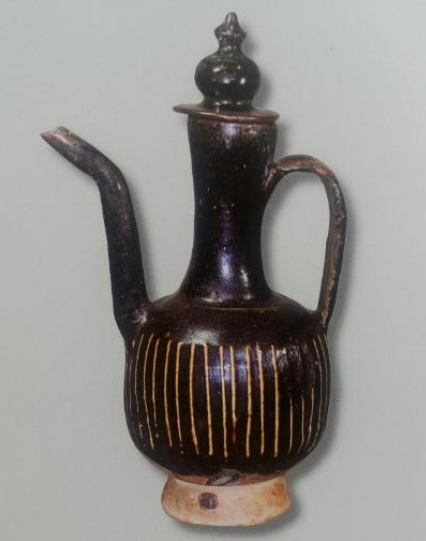
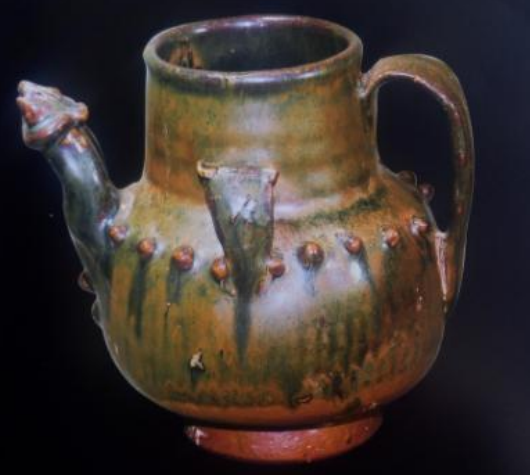
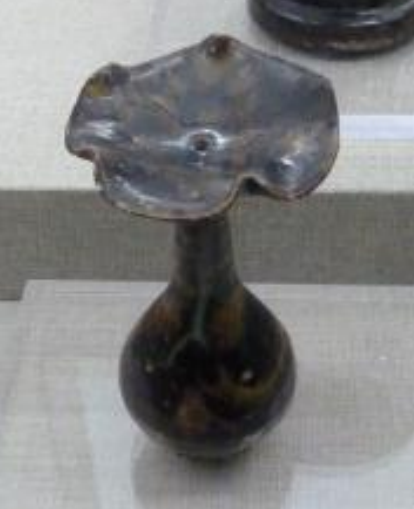
According to the chronological framework outlined in archaeological reports, the Xiba Kiln emerged during the Northern Song Dynasty, reached its peak during the Southern Song and Yuan Dynasties, continued into the Ming Dynasty, and declined during the Qing Dynasty. The physical artifacts unearthed during the 2008 excavation are most abundant from the late Southern Song Dynasty to the mid-Yuan Dynasty (approximately 1225–1338). The excavated ceramics encompass 18 major categories: bowls, basins, cups, plates, saucers, jugs, mugs, jars, boxes, grinding tools, vases, flower vases, incense burners, lamps, lampshades, inkwell drippers, lids, and spouts. Among these, cups are the most diverse in form and represent the core products of the Xiba Kiln.
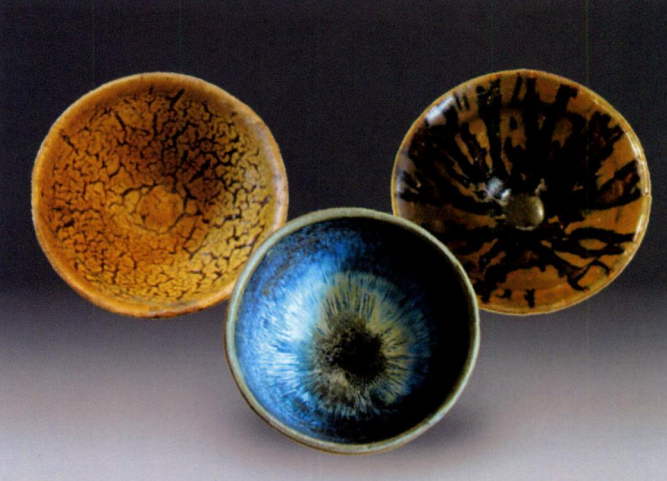
Several Types of Cups from the Xiba Kiln
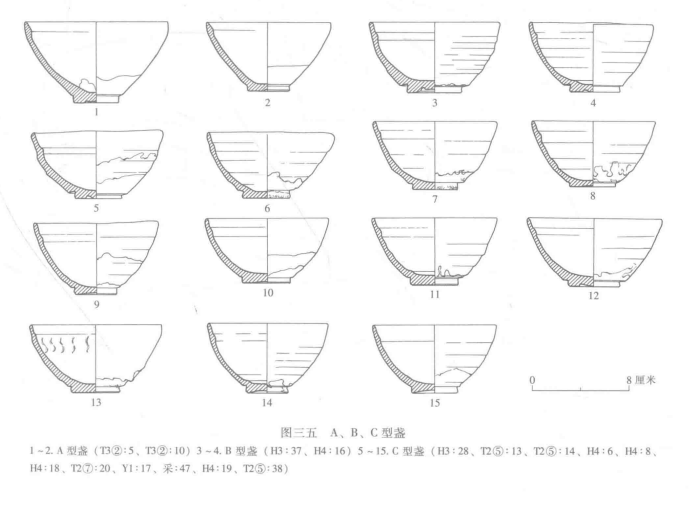
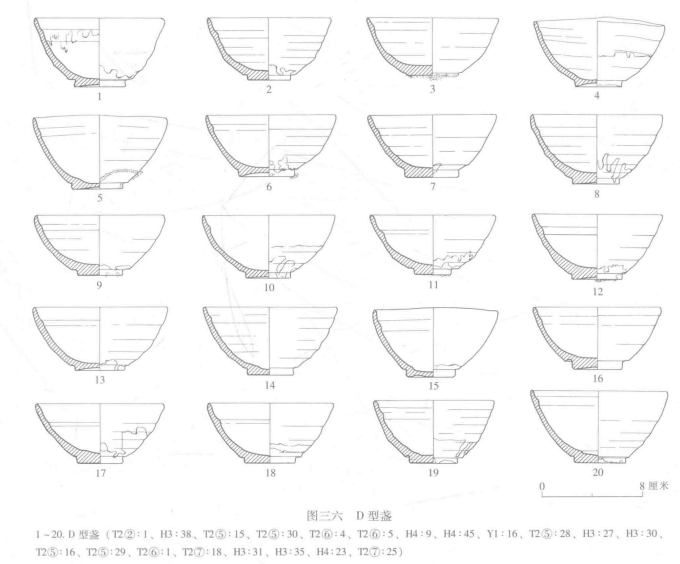
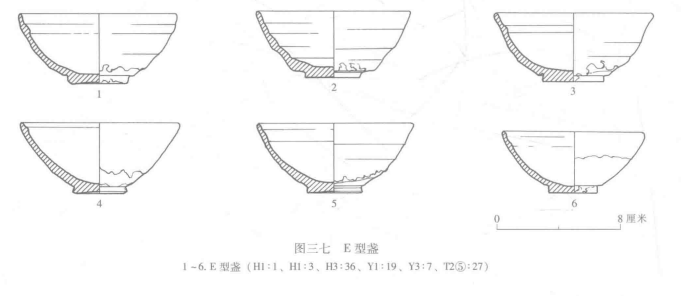
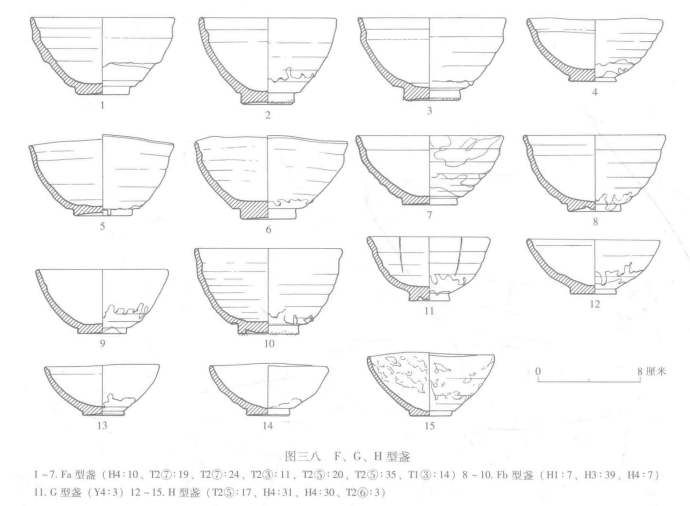
盏的分型
In terms of body clay, the Xiba Kiln exhibits a distinct “eclectic” character. The body colors are extremely diverse—gray, gray-white, gray-yellow, gray-black, yellow-brown, red, reddish-brown, brown, black-brown, and black. Archaeological reports indicate that the body color of nearly every artifact is different, presenting a veritable medley of hues. Most bodies are coarse and heavy, containing granular impurities. Some vessels were coated with white or red slip before receiving a surface glaze. Foot types include disc-shaped, wide ring-shaped, ring-shaped, and jade-disc-shaped bases. The carving of the feet is rough, with visible knife marks, and ring-shaped feet often adhere to fine quartz sand particles. The overall style is rugged and bold, forming a stark contrast to the delicate folk kilns of the Jiangnan region.
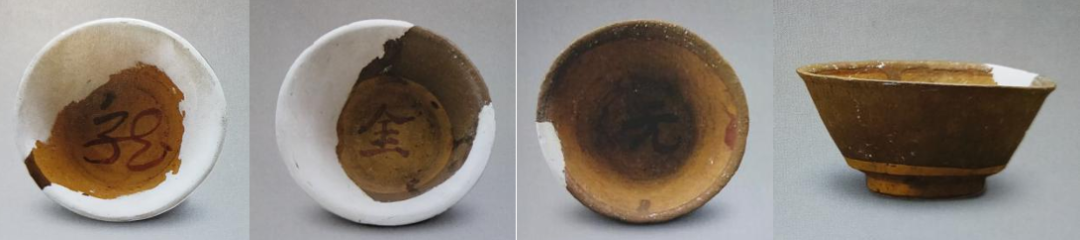
折腹碗
装The loading techniques were equally flexible and diverse; archaeological reports document eight different methods: stacking with rough rings, stacking with glazed interiors, stacking with sand piles, stacking with saucer supports, stacking with ring supports, loading in boxes for inverted firing, stacking in nested jars, and stacking in paired boxes for simultaneous firing. Among these, high-quality cups were produced using the “one box, one piece” method of upside-down firing in a box, while everyday bowls and plates were mass-produced using economical methods such as stacking with rough rings.
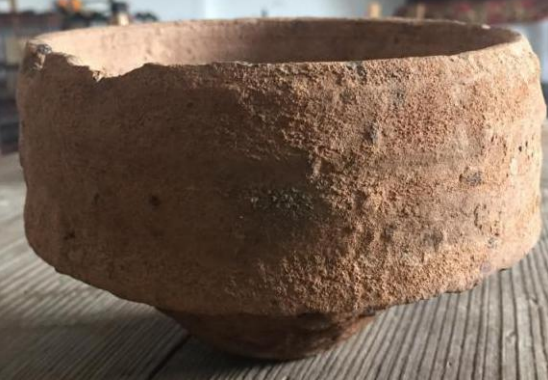
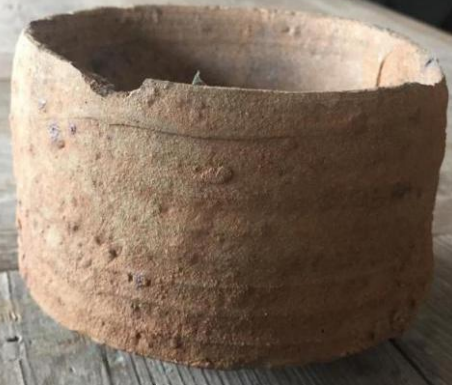
Alms bowl
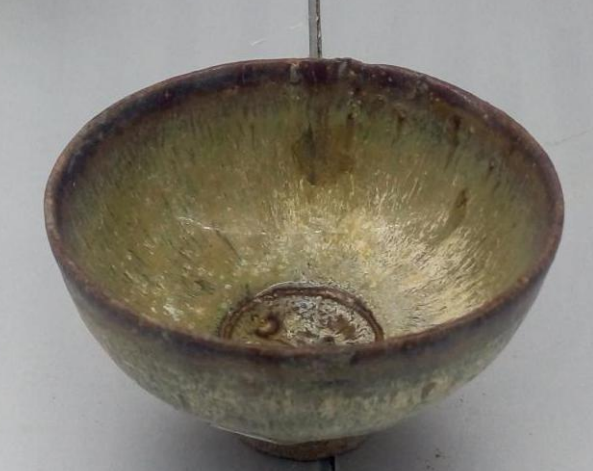
Tart Bowl
三、Kiln-Fired Glaze—The Soul of the Xiba Kiln
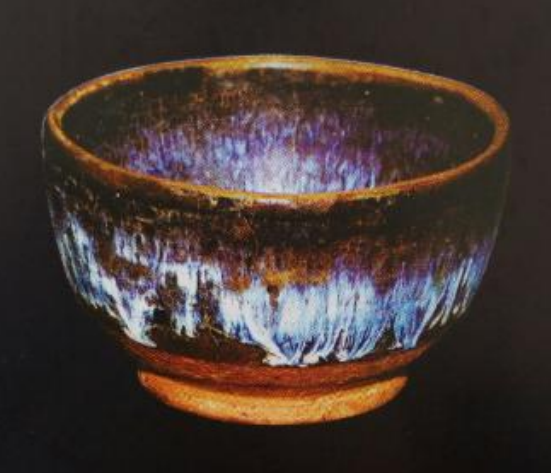
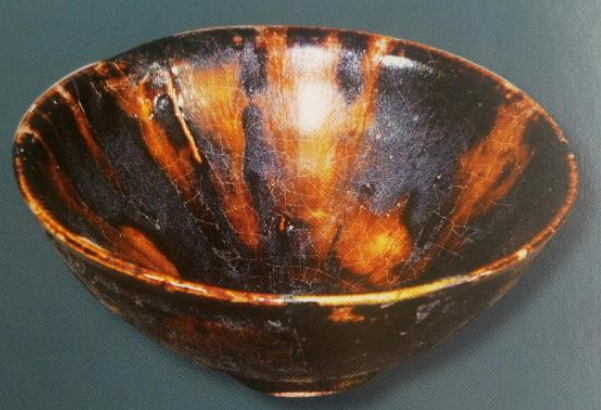
The ceramics unearthed from the Xiba Kiln during the Northern and Southern Song dynasties consist primarily of tea bowls, reflecting the Song dynasty’s popularity of tea-tasting competitions. These bowls bear many similarities to those from the Jian Kiln and Jizhou Kiln—both of which were thriving folk kilns during the Southern Song dynasty—as they all produced varieties such as rabbit-hair, oil-drop, and tortoiseshell-patterned ware, with the finest pieces exhibiting exceptional quality. The rabbit-hair, oil-drop, and tortoiseshell-pattern bowls from the Xiba Kiln each possess distinct regional characteristics, exhibiting subtle differences from those of the Jian Kiln and Jizhou Kiln in terms of body, glaze, decoration, and craftsmanship. Although the three kilns were geographically distant from one another, influenced by the Song Dynasty’s tea-tasting culture and aesthetic sensibilities, they engaged in mutual emulation and exchange, resulting in a situation where the styles of their wares became quite similar.
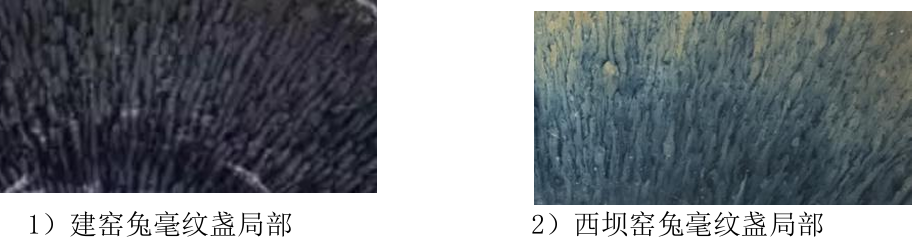
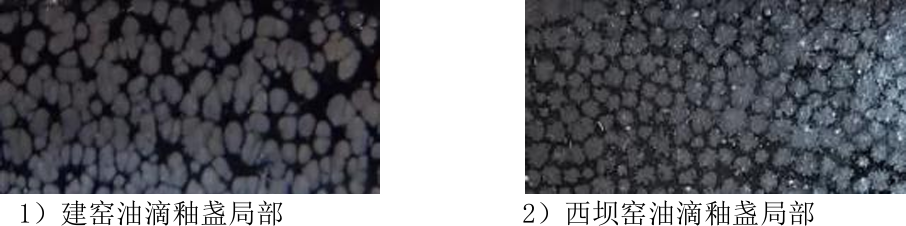
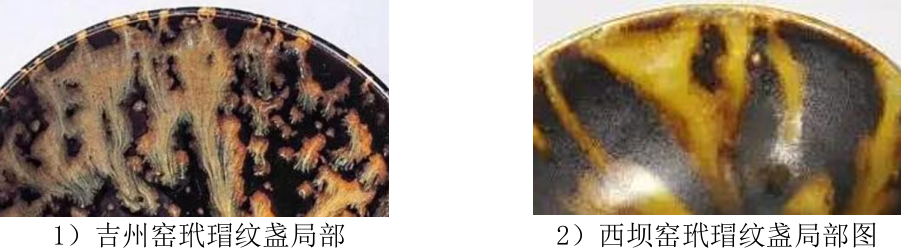
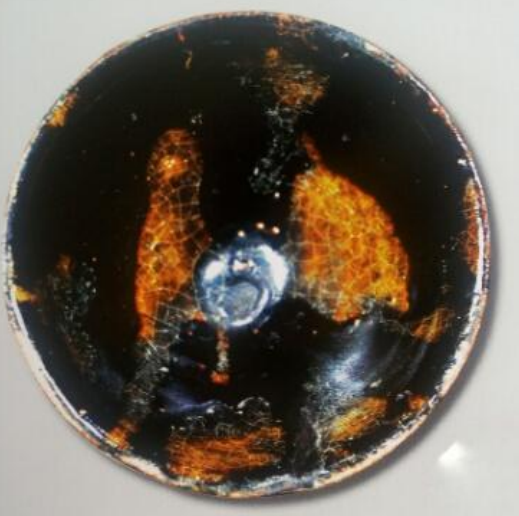
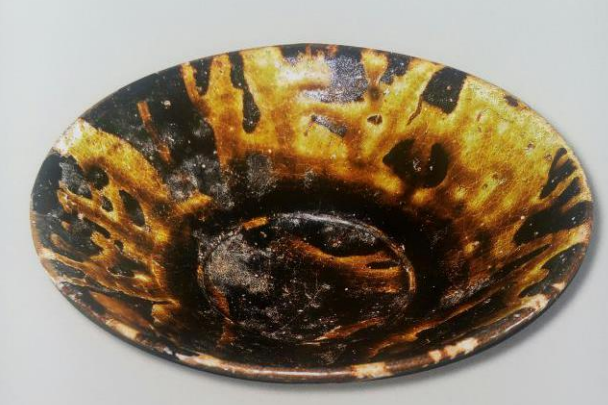
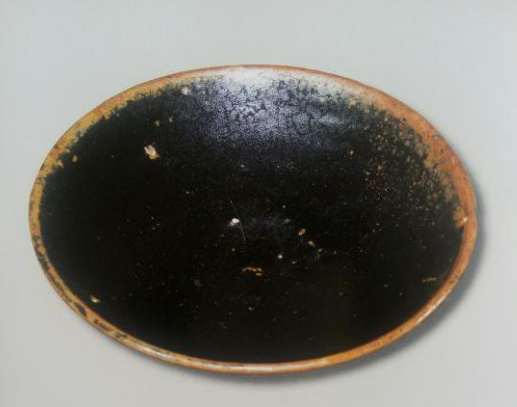
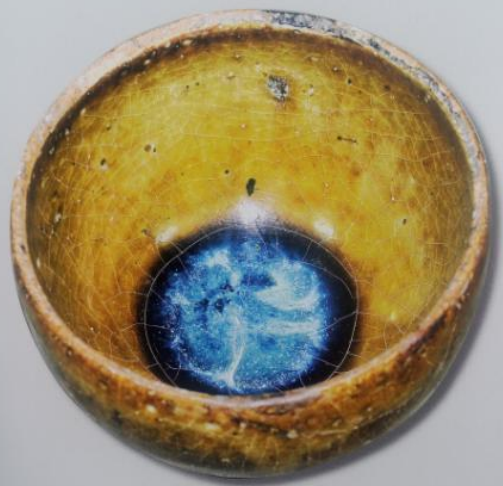
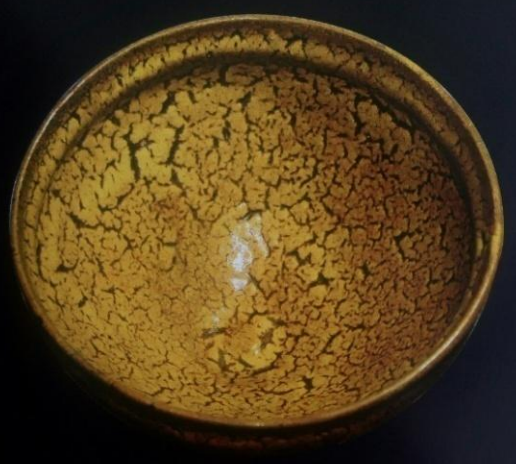
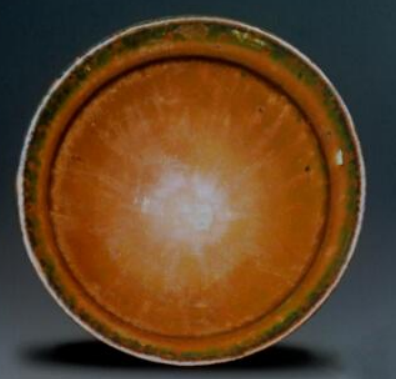
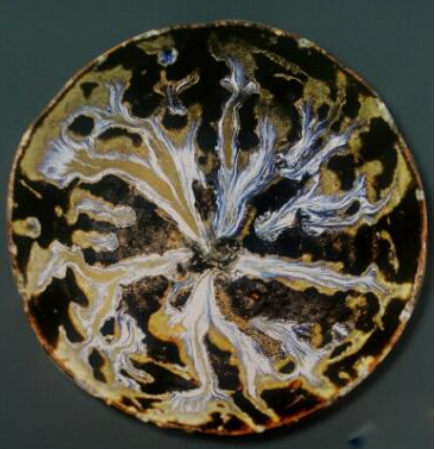
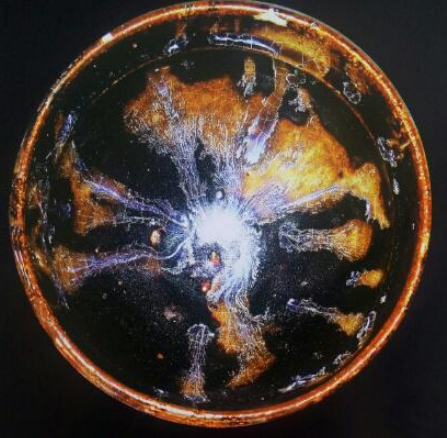
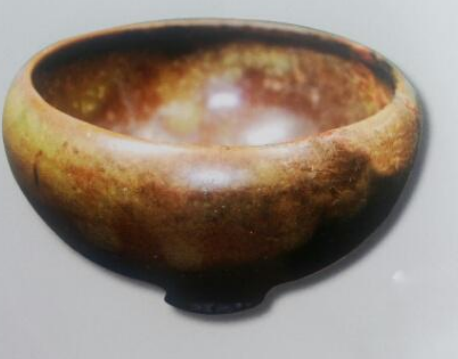
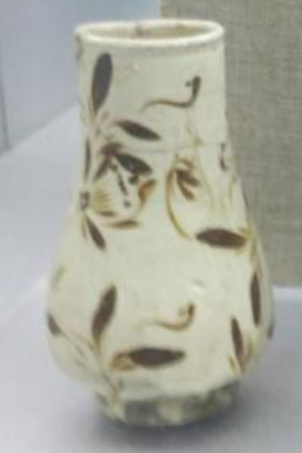
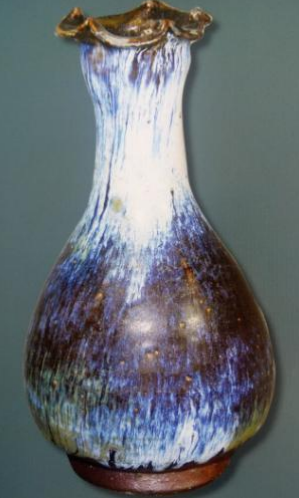
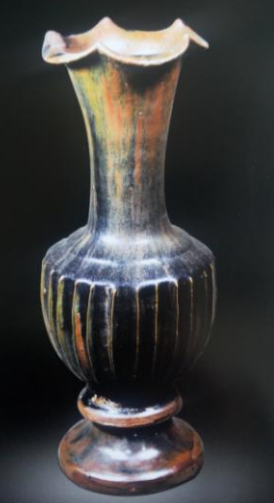
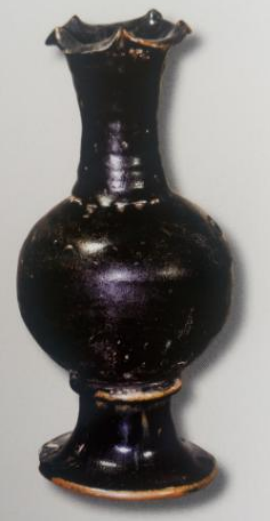
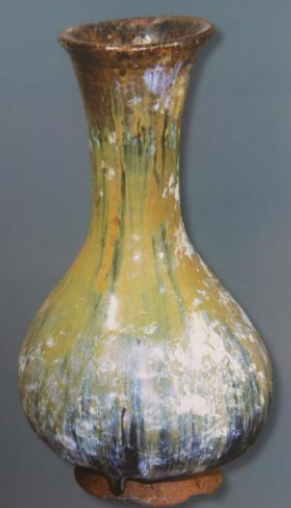
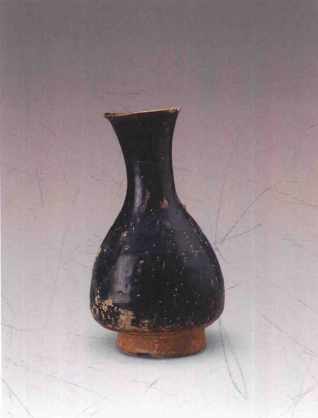
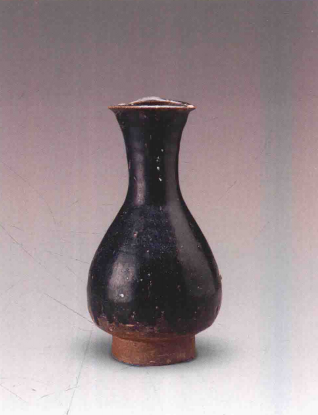
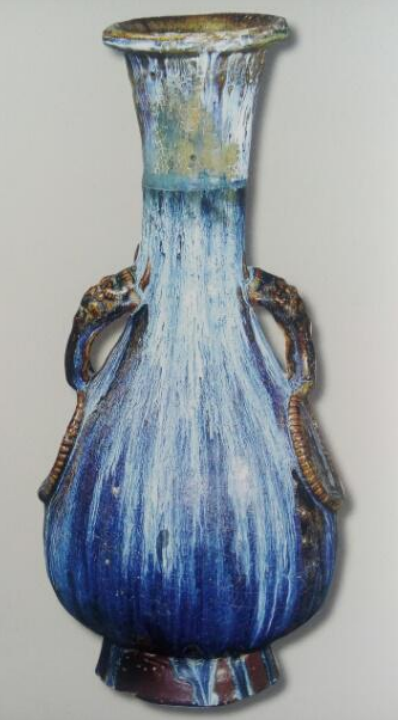
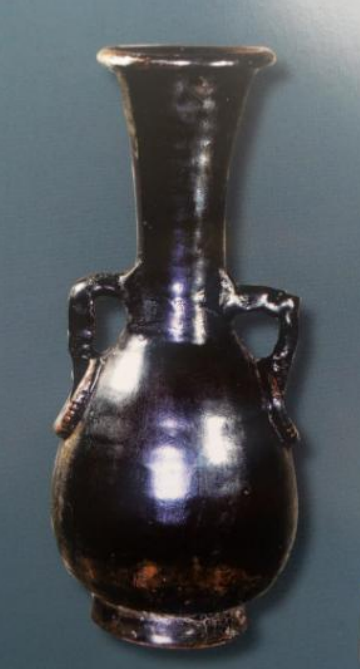
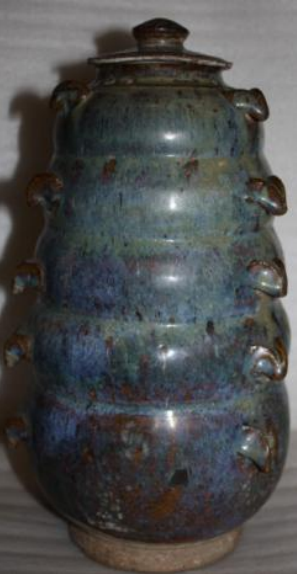
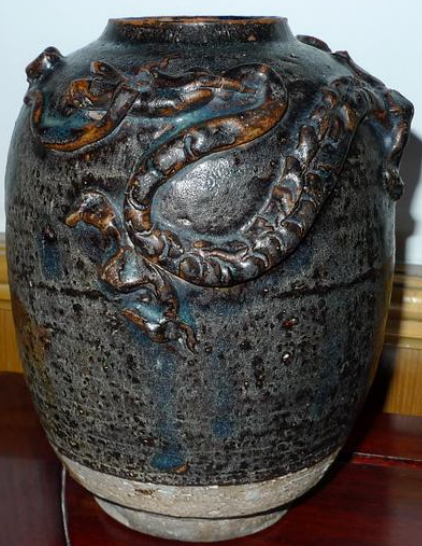
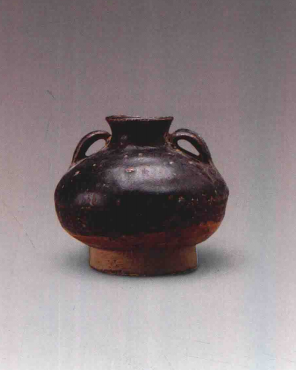
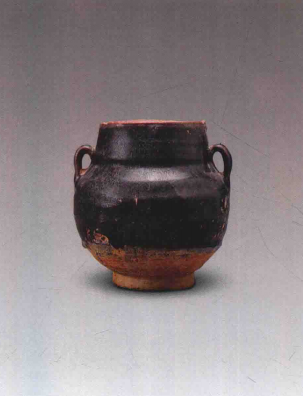
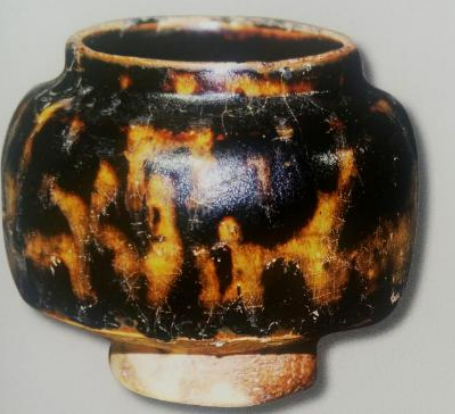
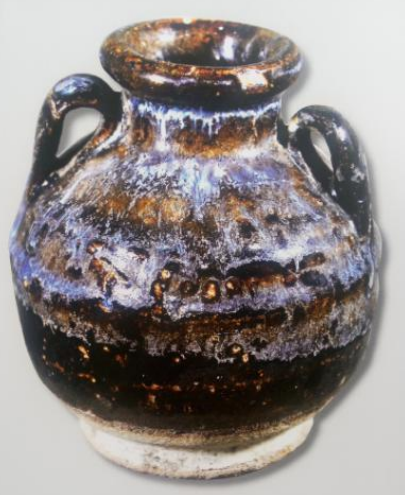
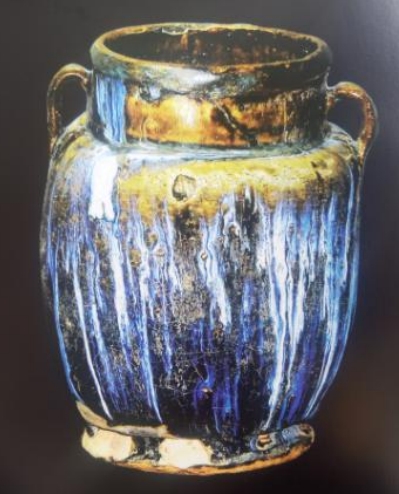
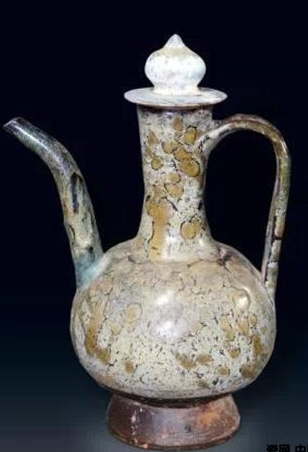
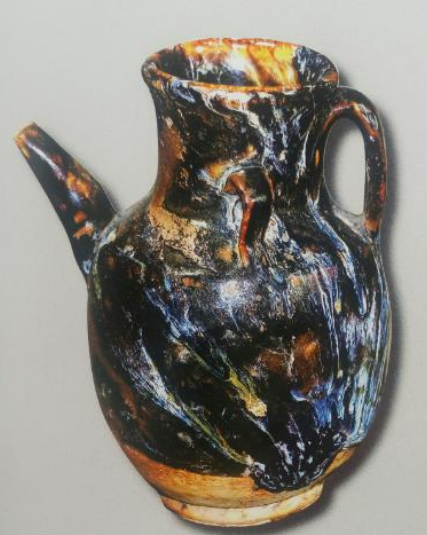
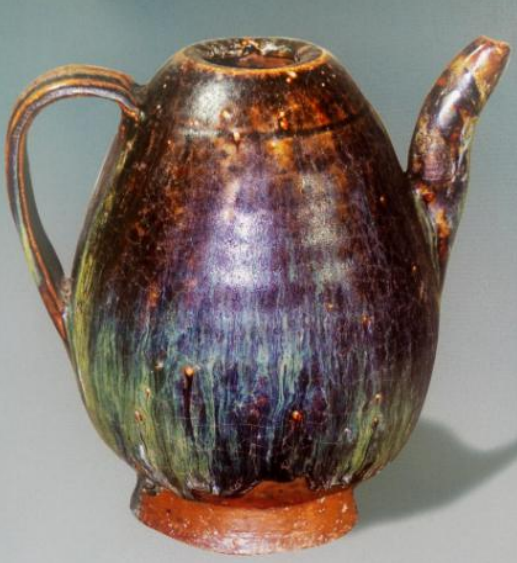
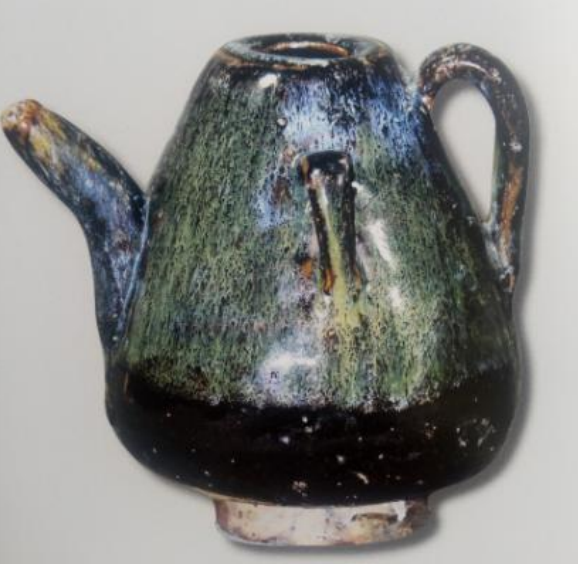
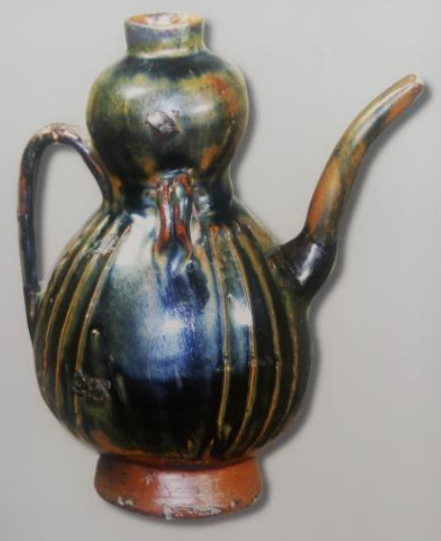
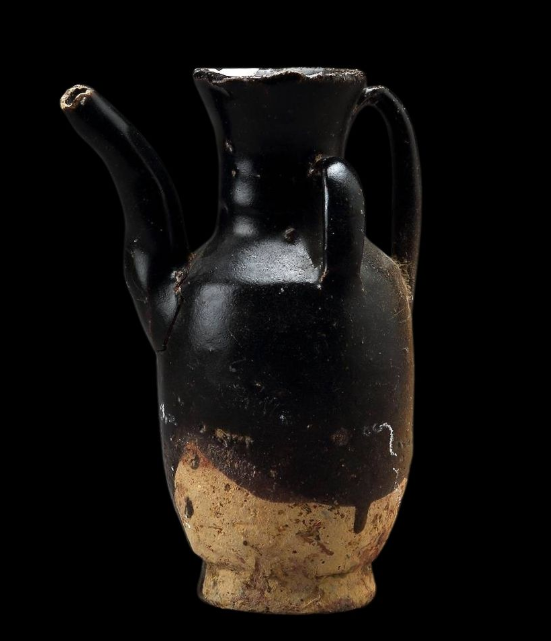
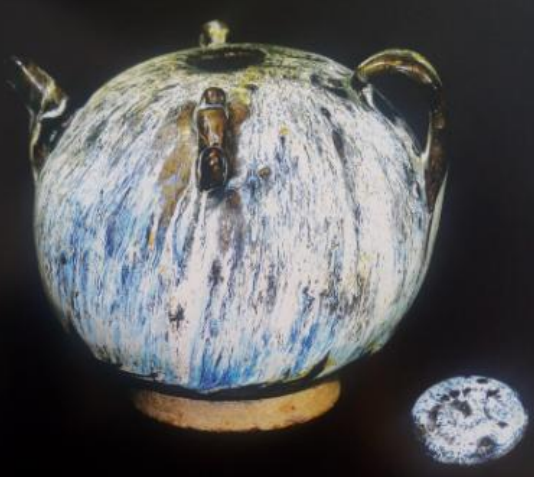
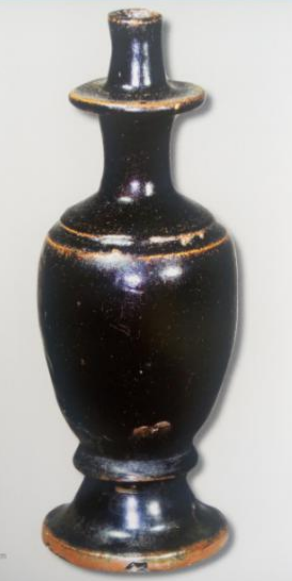
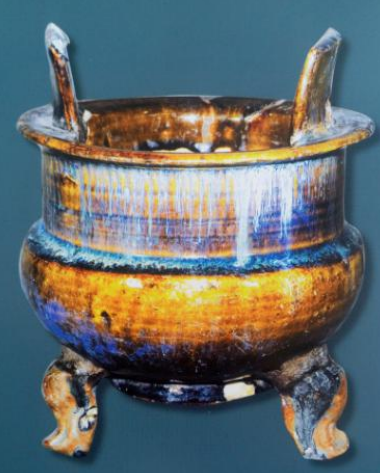
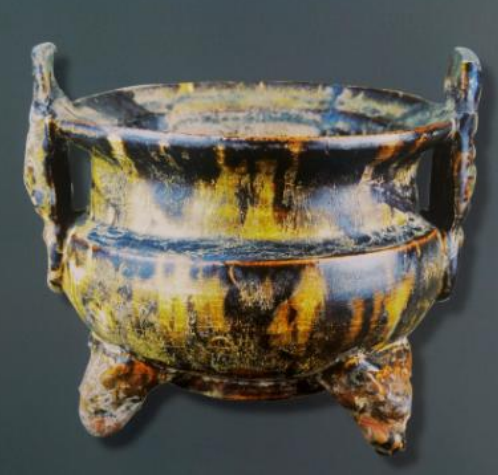
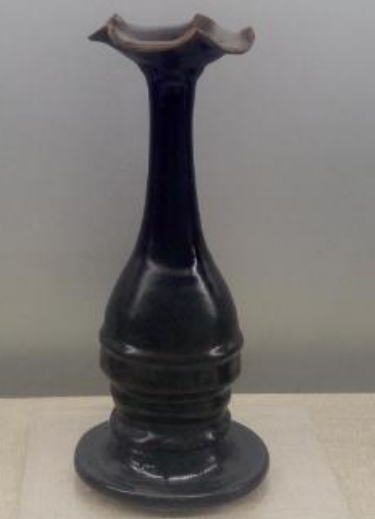
If the rugged, unrefined clay is the true essence of Xiba Kiln, then its vibrant, mottled kiln-change glazes are its soul. Xiba Kiln uses black glaze as its foundation, from which it has developed a range of hues including soy-yellow, soy-black, soy-red, persimmon, and brown. But what truly sets it apart is its kiln-change floral glaze.
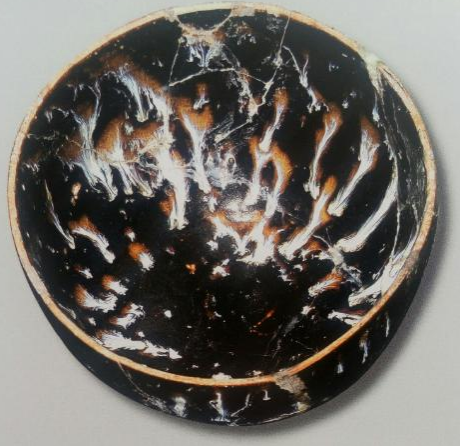
Rabbit-hair glaze. During the cooling process at high temperatures, the iron content in the glaze rises to the surface, where it precipitates as hematite crystals, forming stripes that alternate between rust-brown and silvery-white. The peaks of these stripes are irregular yet arranged in an orderly fashion, creating a natural, organic pattern.
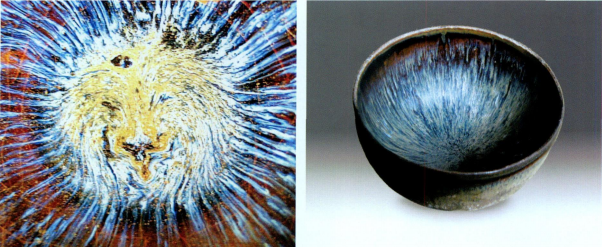
Blue-haired Lantern
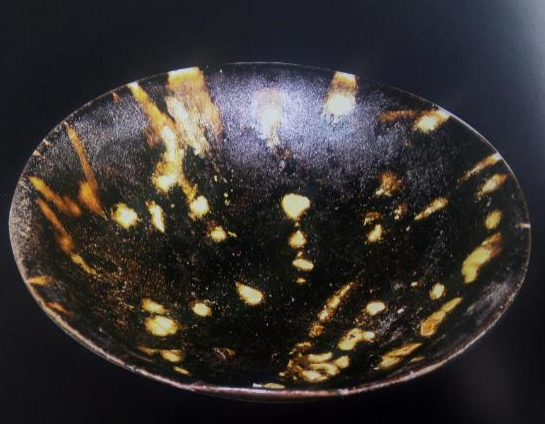
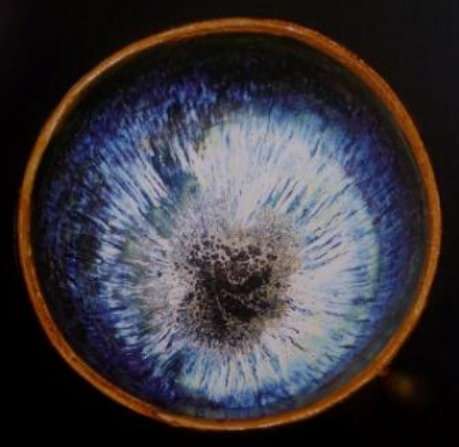
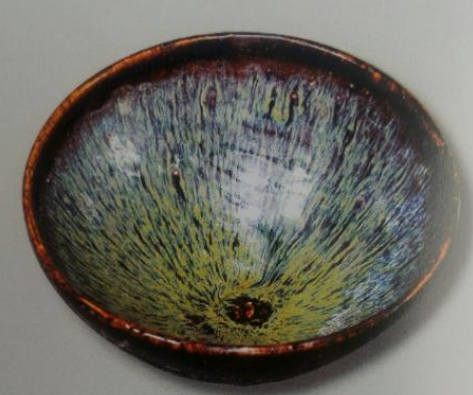
Partridge-spot glaze. During high-temperature firing, iron is drawn to the surface of the glaze, where it crystallizes to form feather-like, grayish-white circular spots. At the Xiba Kiln, partridge-spot patterns are not limited to cups.
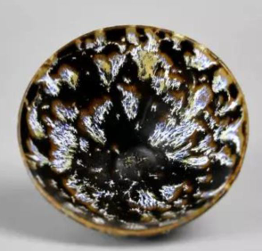
Partridge-spotted bowl
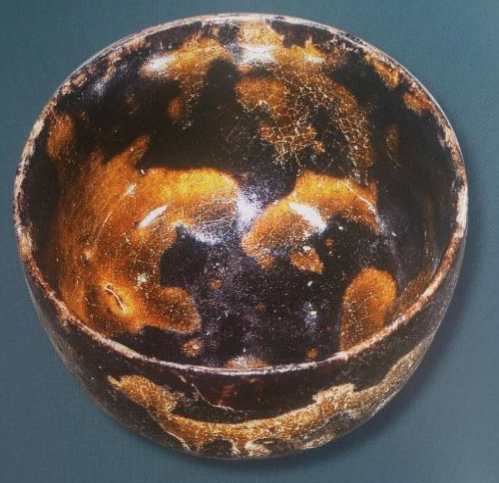
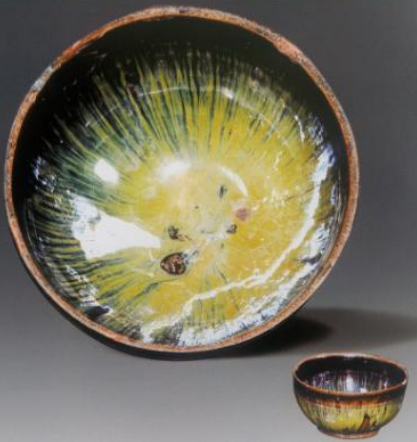
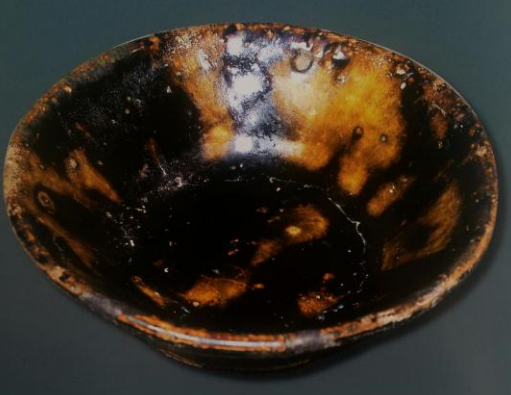
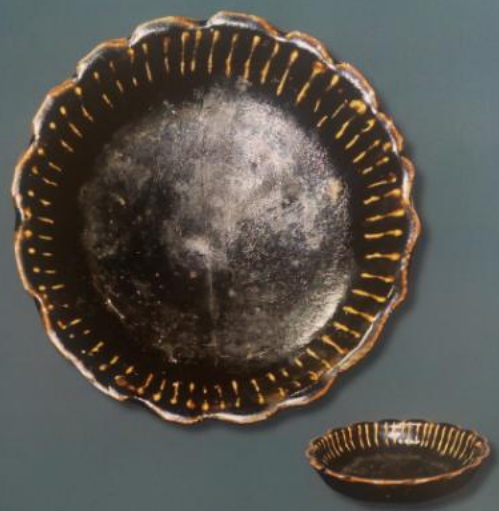
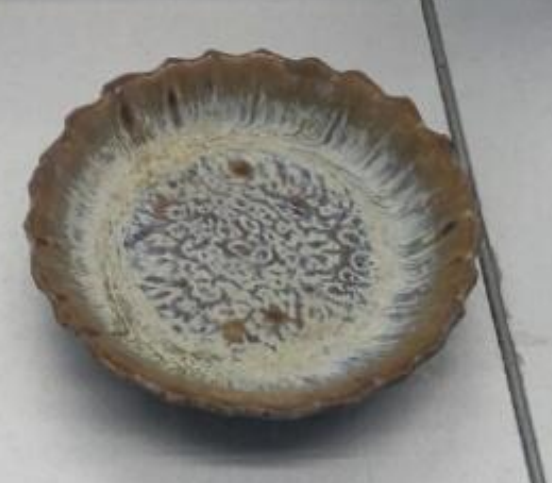
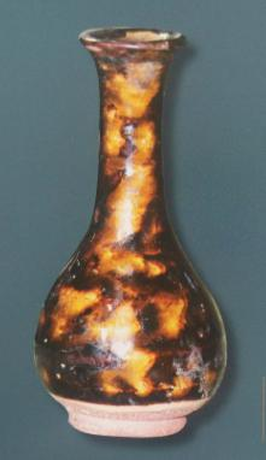
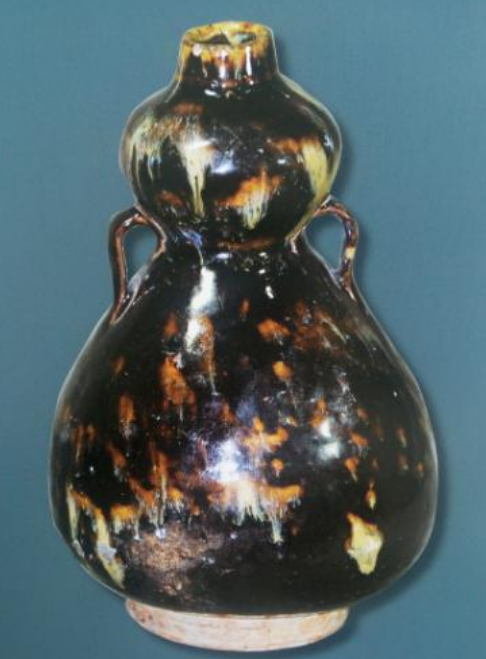
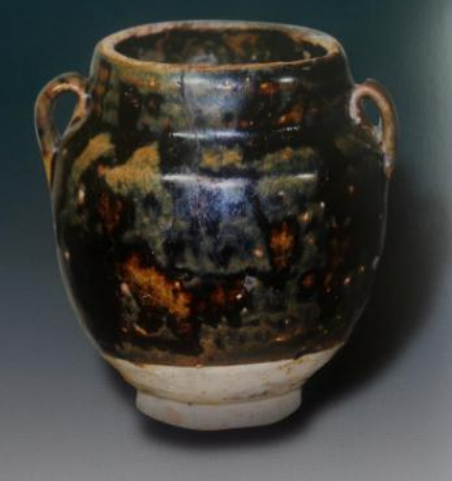
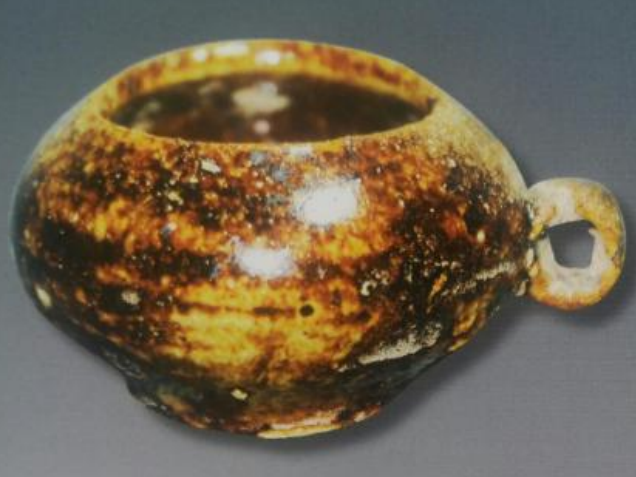
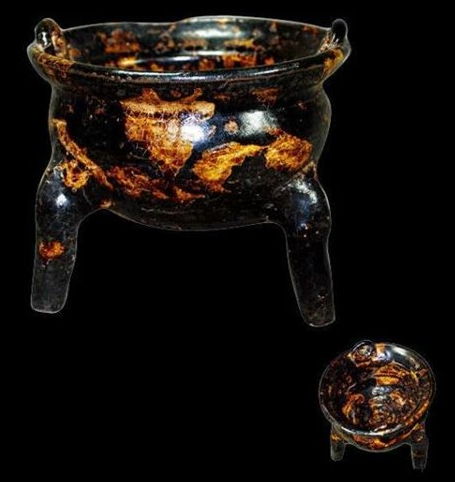
Tortoiseshell glaze. Featuring a blend of brown and yellow hues with rich color variations, it is as lustrous as a sea turtle’s shell. Archaeological reports document this “brown glaze kiln transformation” phenomenon in numerous artifacts, which is precisely the manifestation of the tortoiseshell effect.
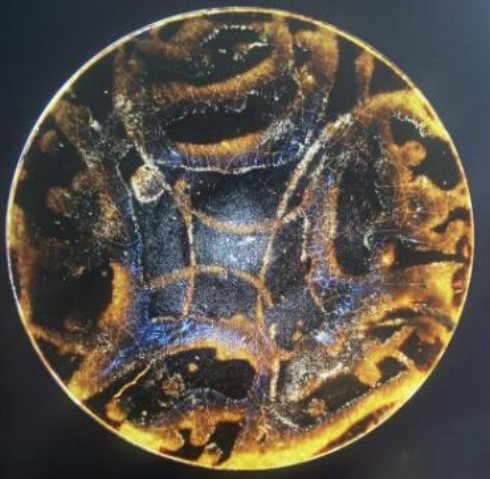
Tortoiseshell tray
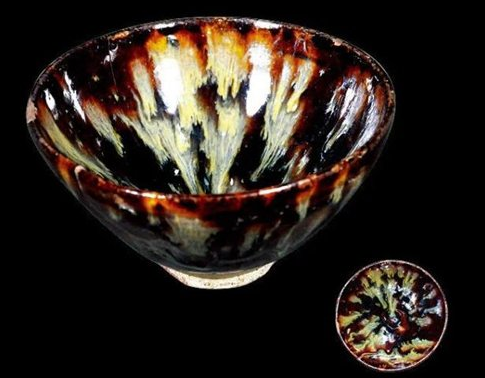
Tortoiseshell bowl
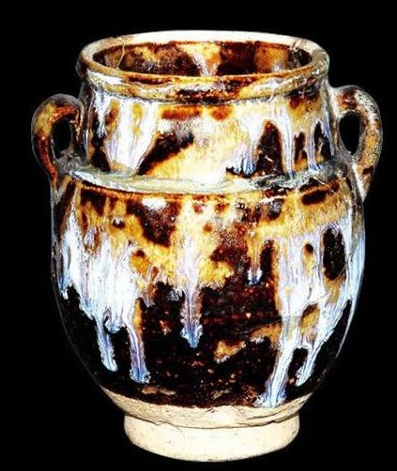
Tortoiseshell Jar
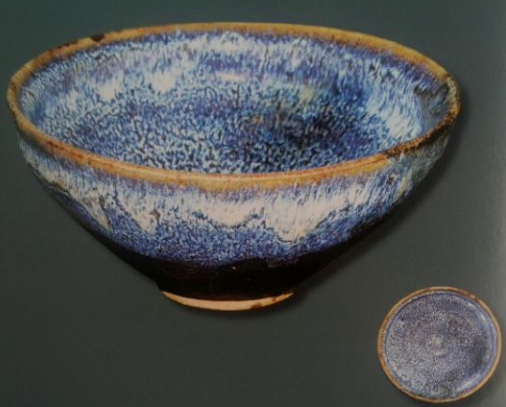
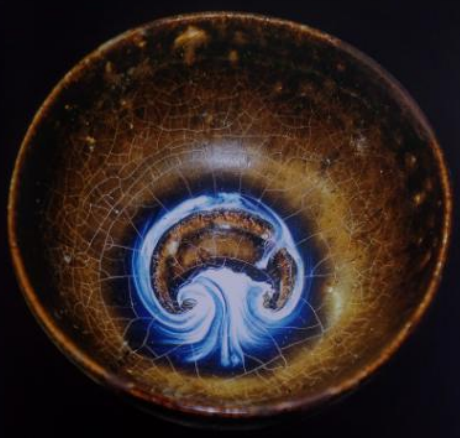
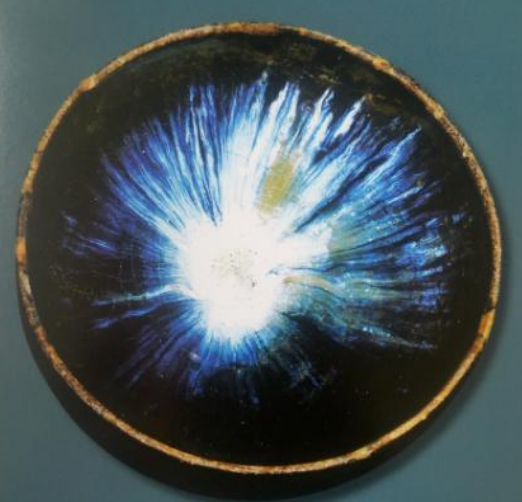
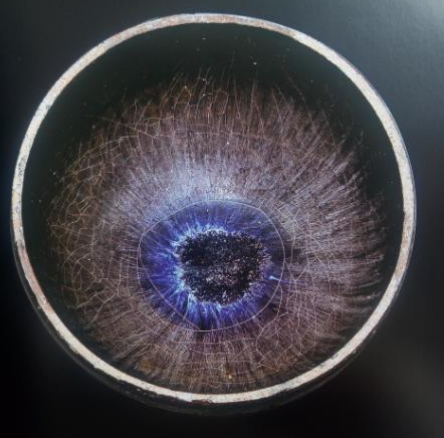
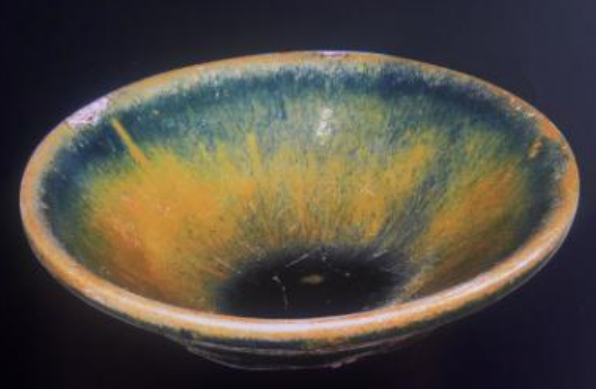
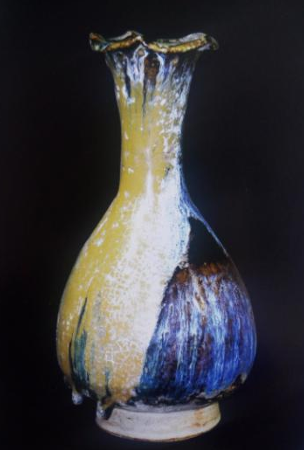
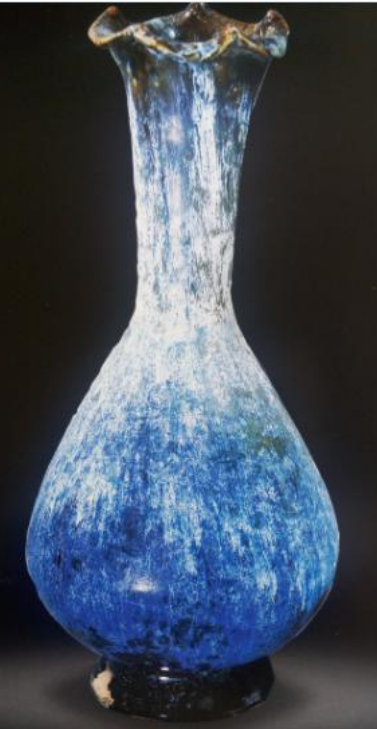
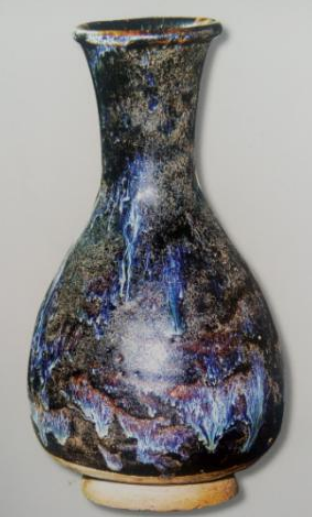
Blue kiln transformation. This is a highly distinctive feature of the Xiba Kiln. Archaeological reports frequently mention descriptions such as “blue rabbit-hair kiln transformation,” “blue kiln transformation,” and “blue-and-white kiln transformation.”
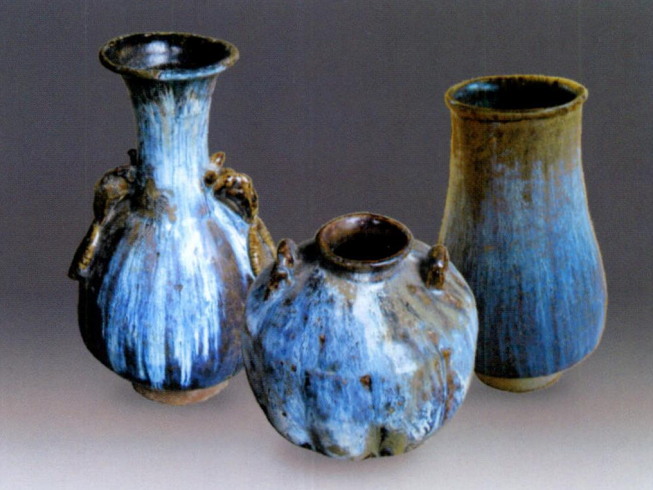
Blue Kiln Change
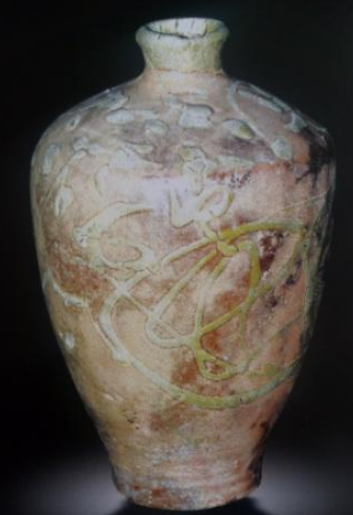
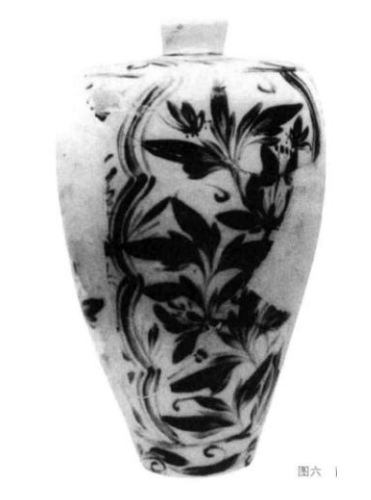
“Sun Pattern” (abstract chrysanthemum design). The archaeological report specifically notes: “In the local collecting community in Leshan, this type of design is commonly referred to as the ‘Sun Pattern,’ but it is actually an abstract chrysanthemum design.”
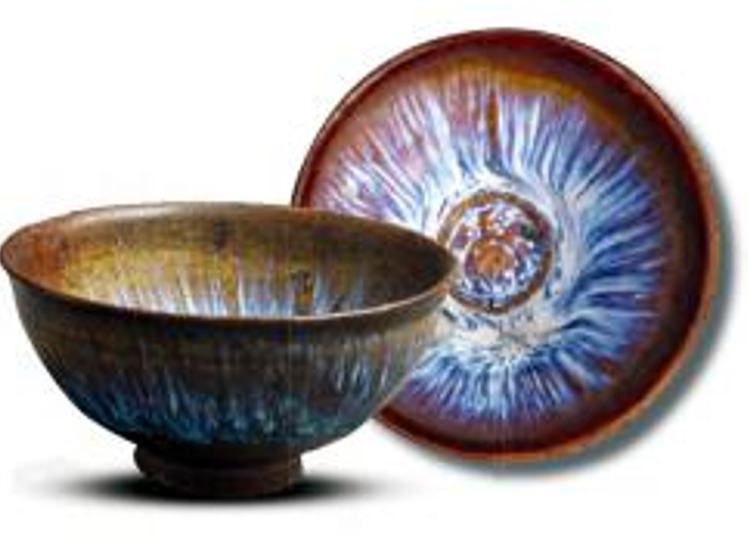
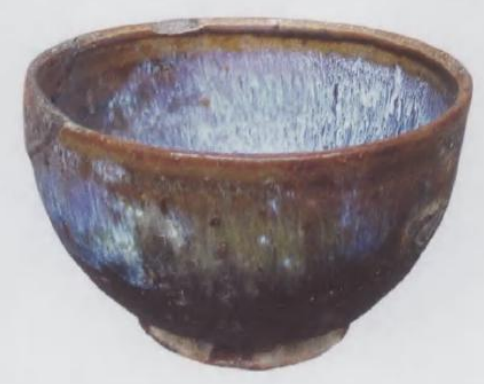
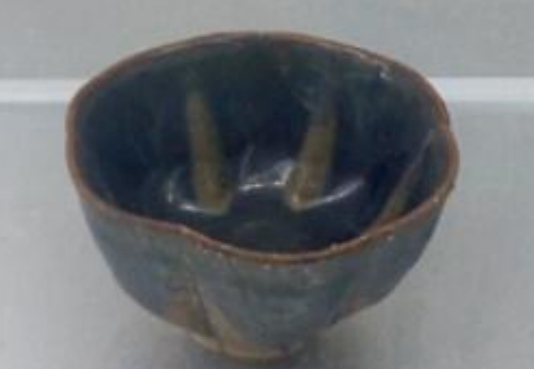
From basic black glaze to rabbit-hair, partridge-spot, tortoiseshell, and blue kiln-change patterns, the Xiba Kiln masterfully showcases the full range of iron-glaze kiln-change effects in a single firing. These kiln transformations are not artificially painted but are the natural result of the interplay between temperature, atmosphere, and glaze composition within the kiln at high temperatures—each piece is a one-of-a-kind, naturally formed masterpiece.
Sichuan Provincial Institute of Cultural Relics and Archaeology et al., eds., *The Xiba Kiln Site in Leshan*, Cultural Relics Press, December 2017.
Xu Wenming. *A Study of the Xiba Kiln in Leshan, Sichuan* [D]. Chongqing Normal University, 2018.
Wang Jiayu. “A Splendid Display of Beauty: An Appreciation of Ceramics from the Xiba Kiln in Leshan, Sichuan” [J]. Collectors’ World, 2014, (08): 47–53.
Li Yuxin. A Study on the Artistic Characteristics and Design Value of Ceramics from the Xiba Kiln in Leshan, Sichuan [D]. Xihua University, 2020.


